FREE SHIPPING ON ALL ORDERS OVER $75
Mindbender Ski Collection
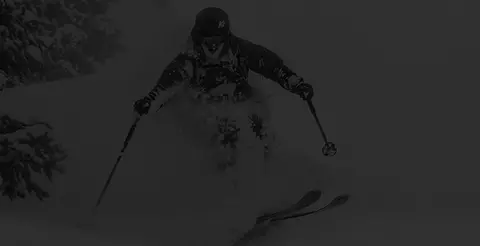
These skis defy the norm. Pushing the boundaries and claiming the space as The Face of Freeride.
Reckoner Ski Collection
Built for the skier who wants to float from the park to the steeps, and back again.
BOA® Ski Boot Collection
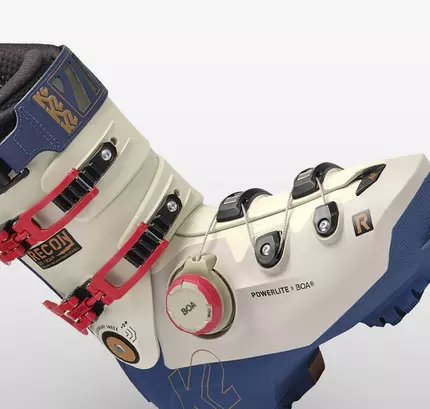
The peak of performance, comfort, and innovation. Experience the all-new K2 BOA® ski boot collection.
BFC Ski Boot Collection
Built for comfort without sacrificing performance. The all new BFC has a variety of flex ratings for every level.
Landscape Collection
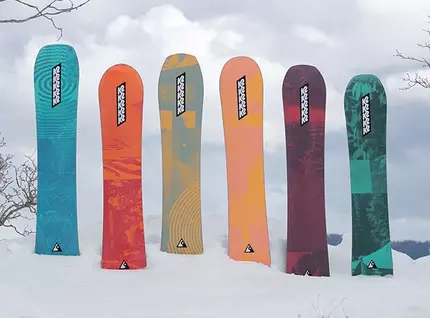
Snowboards developed to represent every freerider and every riding style.
Parker Szumowski Snowboard
Built on our tried-and-true Broadcast chassis, this board is true to snowboarding.
Work Wear Snowboard Boots Collection
Modeled against classic workwear apparel, strung up with the labor of love, and inspired by our team riders.
#WinningWithFit | K2 Snowboard Boots
The #1 boot in snowboarding, and snowboarders across the globe have agreed.
Bindings Driven by Sustainability
In our new collection we prioritized time, energy, and resources to put Mother Nature first.
Bond Men's Snowboard Bindings
Freestyle-focused, sustainable binding developed with the help of our team riders.
Loud and Proud Hoodie
Represent your favorite brand day-in-day-out.
Chain Logo Hoodie
K2 Chain Logo Hoodie is a year-round everyday staple.
Charlie Hoodie
Pulling elements from Jake Kuzyk's Pro Model.
Embroidery T-Shirt
Embodies K2's heritage as the original American ski and snowboard brand.
Loud and Proud Tee
Keep it casual and represent your favorite brand.
Heritage T-Shirt
A classic K2 vibe dating back to 1962, this front hit is clean.
Canada:
United States:
Austria:
Belgium:
Czech Republic:
France:
Germany:
Italy:
Netherlands:
Norway:
Poland:
Spain:
Sweden:
United Kingdom:
Switzerland:
Australia:
New Zealand:
Japan:
Other:
Canada
United States
Austria
Belgium
Czech Republic
France
Germany
Italy
Netherlands
Norway
Poland
Spain
Sweden
United Kingdom
Switzerland
Australia
New Zealand
Japan
Other
A collection of gender-neutral freeride snowboards, with the right tool for every job.
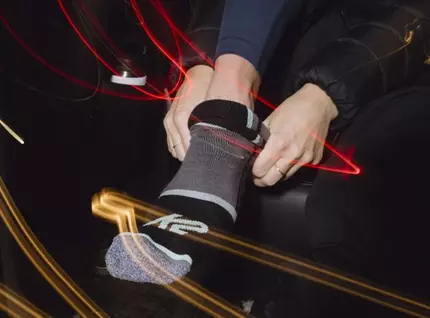
High performance socks to keep your feet warm, dry, and comfortable on the hill.